


Table of Contents
From the Editor
We all know Christmas as December 25, the day Christians traditionally celebrate the birth of Jesus. But here’s the interesting part: the Bible never actually tells us when Jesus was born. So how did December 25 become the date we celebrate, and could it have anything to do with ancient Roman festivals, the winter solstice, or even some surprisingly creative theological math? In this article, we dig into the theories and what we really know about the origins of Christmas.

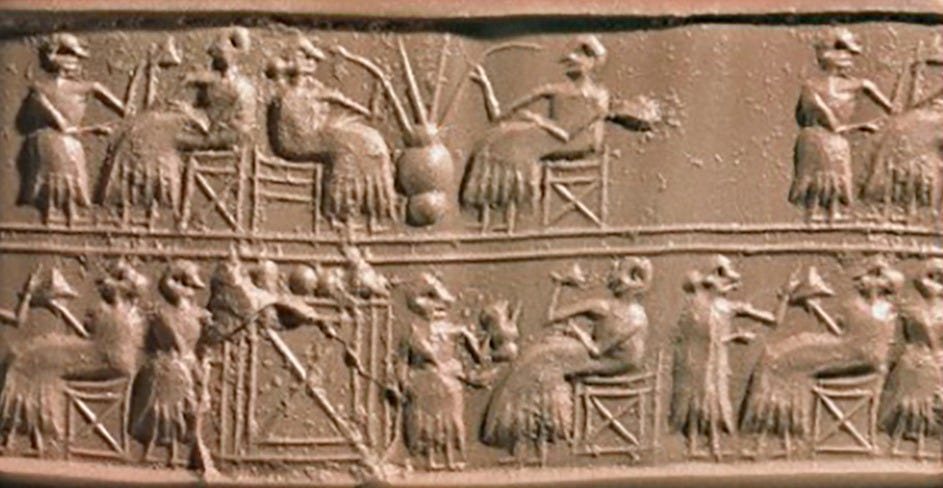
We also learned that beer was safer to drink than water in ancient Mesopotamia. And no, everyone was not getting drunk all day.

Ask Me Anything
It has been a while since I have done an Ask-Me-Anything video, so, now is your chance to start asking your ancient history focused or Digging Up The Past questions! And once I get enough, a new video will be recorded!
In the News
How the Greeks Turned Libya’s Coast Into a Major Port
New research is revealing how Greek settlers transformed a naturally sheltered stretch of Libya’s coast into the major harbor of ancient Cyrene. Over centuries, they carved channels, breakwaters, slipways, and other structures into the landscape, gradually turning the coastline into a busy center for trade and naval activity. Source: Archaeology Magazine.
Did a Woman Rule Egypt 5,000 Years Ago?
A new study is revisiting the controversial possibility that Meretneith, a powerful woman of Egypt’s First Dynasty, may have ruled Egypt in her own right. Researchers enhanced a 72-year-old photograph of a now-lost mud seal and found markings they argue support her connection to the royal throne, although some Egyptologists disagree with the interpretation. Source: Archaeology Magazine.
A Roman Drug Stash Hidden Inside a Bone
A hollowed-out animal bone found in the Roman Netherlands contained hundreds of seeds from black henbane, a poisonous plant known for both medicinal and psychoactive properties. The unusual container provides rare physical evidence that Romans deliberately collected and stored this potent plant rather than it simply appearing as a common weed. Source: ZME Science.
Where Aristotle Taught Alexander the Great
Archaeologists excavating ancient Mieza in northern Greece have uncovered ornate halls, mosaics, and a teaching area believed to be part of the gymnasium where Aristotle taught the young Alexander. The complex also included banquet halls and athletic facilities, offering a fascinating glimpse into the education and social world of Macedonian elites. Source: Smithsonian Magazine.
Roman Amulets Survived the Rise of Christianity
New research suggests that the Roman habit of using amulets for protection continued long after Christianity spread across the empire. The words and imagery gradually changed, with some traditional protective objects taking on Christian symbols and even incorporating passages from the Bible. Source: Archaeology Magazine.
Quote
Well begun is half done. - Aristotle
Trivia Question
Last Week’s Trivia Answer
The Hittite king who signed the famous peace treaty with Egyptian Pharaoh Ramesses II was Hattusili III.
Halloween Sale on Annual Subscriptions
Digging Up The Past is offering a Halloween promotional sale which ends on October 31st. Is it a bit early for a Halloween promotion? Nope! It is never too early for anything Halloween. 😄 Be sure to not miss out on getting 20% off annual subscriptions for all eternity! Mhua ha ha ha!
Your subscription helps support the interviews, videos, and other content that make this site possible. Many of the tools, resources, and guest appearances come with a cost, so your support really does make a difference.
Thanks for being here and helping me keep creating and sharing more with you!
Featured Image: Sumerian cylinder seal impression depicting people drinking beer. ( Cuneiform Digital Library)